November 4, 2026
Limited backyard space does not mean homeowners must give up the benefits of a swimming pool. Plunge pools offer a compact way to create a relaxing outdoor retreat without requiring the footprint of a traditional pool. With thoughtful planning, homeowners can incorporate attractive landscaping, comfortable seating, and modern amenities into smaller yards. A professional pool builder can help transform a limited outdoor space into a functional extension of the home.
Understanding the Appeal of Plunge Pools
Making the Most of Limited Space
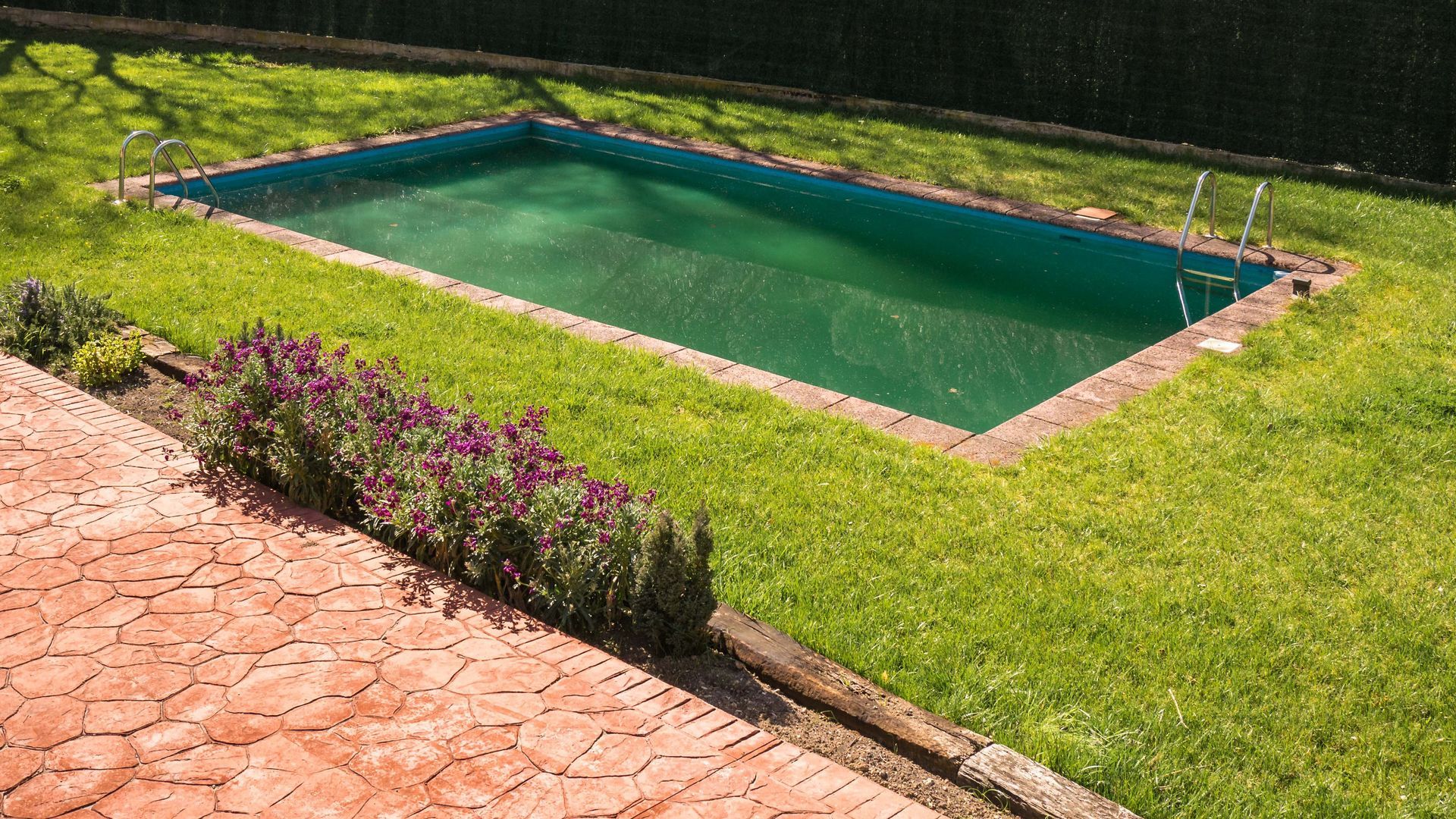
Plunge pools provide the enjoyment of a swimming pool in a smaller footprint. Their compact dimensions make them suitable for urban properties, narrow yards, and enclosed courtyards where a full-sized pool may not fit.
Working with an experienced pool builder helps homeowners determine how a plunge pool can fit into the existing landscape. Strategic placement preserves room for walkways, gardens, and outdoor furniture while creating a cohesive backyard design.
Creating a Modern Outdoor Retreat
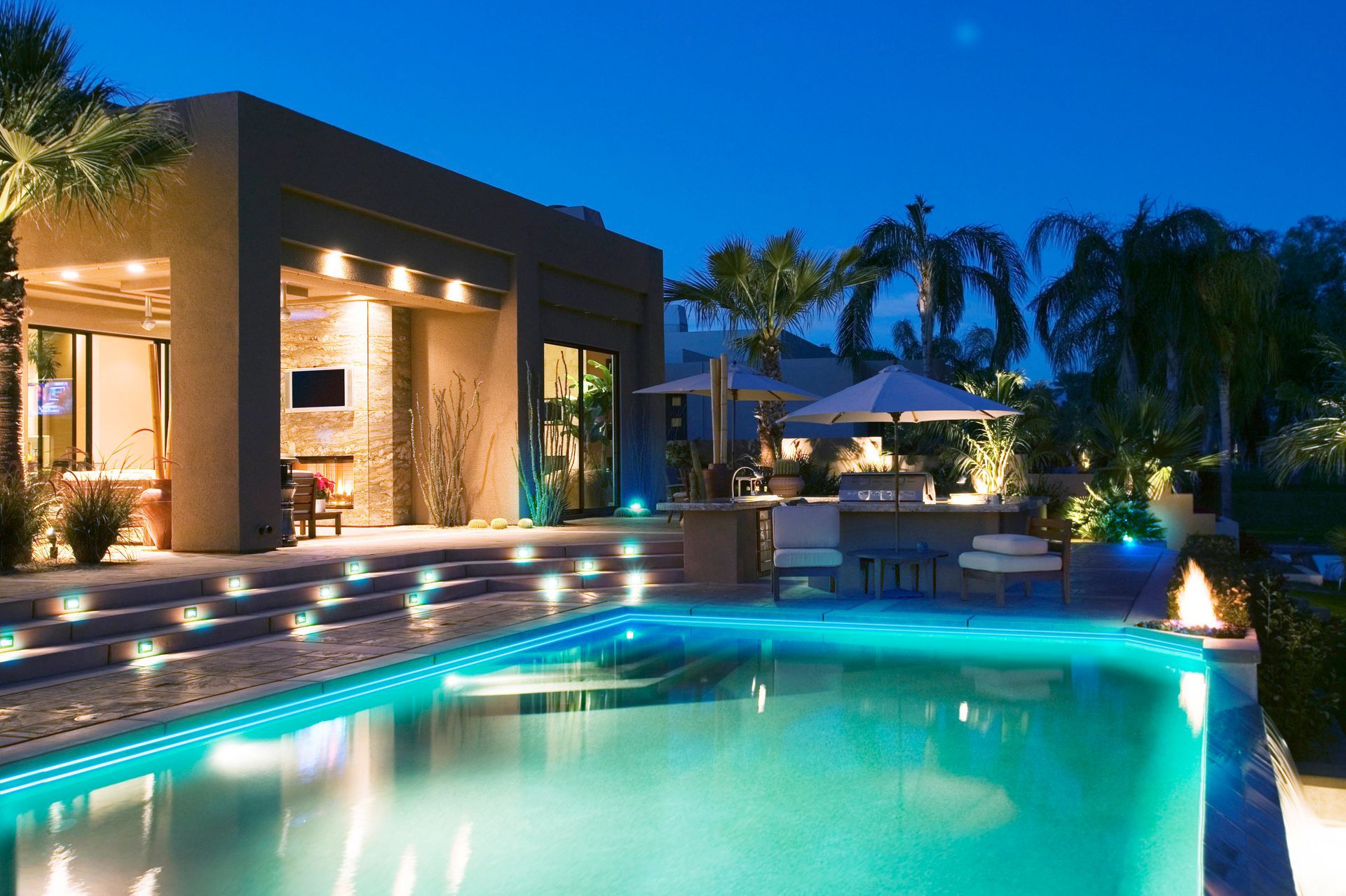
Plunge pools complement various architectural styles, from contemporary homes with clean lines to traditional properties featuring natural stone. Options such as infinity edges, decorative tile, waterfalls, and integrated seating create an attractive appearance without requiring a large pool.
Homeowners can choose finishes that coordinate with their home's exterior and surrounding landscaping, making the pool feel like a natural part of the property.
Comparing Plunge Pools With Traditional Pools
Traditional swimming pools provide more room for recreation but generally require more space, materials, and maintenance. Plunge pools offer an alternative for homeowners who prioritize relaxation and compact design over extensive swimming space.
Their smaller water volume can reduce filling, heating, and chemical requirements. A knowledgeable pool builder can explain these differences and help homeowners choose an option that suits their budget and intended use.
Exploring the Benefits of Plunge Pools
Managing Installation and Operating Costs
Plunge pools may cost less to install than larger swimming pools because they often require fewer materials and less excavation. Their smaller water volume can also reduce certain ongoing expenses, although site conditions, equipment, and design choices influence the final cost.
Interest in improving existing pools reflects continued investment in outdoor living. According to the Pool & Hot Tub Alliance's Q1 2026 survey, 65% of surveyed pool builders reported year-over-year growth in pool remodeling revenue, reflecting continued investment in improving existing swimming pools. Homeowners can explore compact pool designs when planning a new installation or upgrading their outdoor space.
Choosing Energy-Efficient Features
Variable-speed pumps, efficient filtration systems, insulated covers, and appropriate heating options may help reduce energy consumption. Solar heating may also be practical when local weather and site conditions are suitable.
Pool covers help limit evaporation and keep debris out of the water. Combining efficient equipment with appropriate landscaping can make a compact pool easier to maintain.
Enjoying the Pool Throughout the Year
Heating systems can extend the swimming season, while smaller water volumes generally heat faster than larger pools. Some designs also incorporate spa-style jets, benches, or hydrotherapy features for added relaxation.
Homeowners should discuss these options early in the planning process to ensure the pool's structure and equipment support their preferred features.
Designing a Plunge Pool for Your Backyard
Evaluating the Available Space
Successful planning begins with an assessment of the yard. Property dimensions, slopes, soil conditions, drainage, utility locations, and construction access can affect the design. Homeowners must also consider property setbacks, fencing requirements, and local building codes.
A professional pool builder can evaluate these factors before recommending a layout, helping homeowners avoid conflicts with existing structures and preserve enough room for safe movement.
Selecting Durable Materials and Finishes
Pool finishes influence appearance and long-term performance. Tile and other suitable materials offer different textures, colors, costs, and maintenance requirements. Surrounding coping and decking should complement the pool while providing durable, slip-resistant surfaces.
Choosing materials suited to the local climate and intended use helps balance style with practicality.
Integrating Landscaping and Lighting
Landscaping makes a small pool area feel more private and inviting. Shrubs, ornamental grasses, and container plants add texture without overwhelming the space. Homeowners should select plants suited to the climate and avoid varieties that shed excessive leaves near the pool.
Underwater lights, illuminated pathways, and landscape fixtures improve visibility and create an inviting atmosphere after sunset.
Prioritizing Safety and Accessibility
Compact dimensions do not eliminate the need for pool safety measures. Appropriate barriers, secure covers, and slip-resistant surfaces can help reduce risks. Homeowners should also consider entry steps and handholds for comfortable access.
Following local safety regulations during the design stage helps prevent costly changes and makes the finished space more practical.
Planning Installation and Ongoing Maintenance
Selecting an Experienced Contractor
Homeowners should review previous projects, verify licensing and insurance where applicable, and request detailed estimates when selecting a contractor. Comparing materials, equipment, timelines, and warranties helps clarify what each proposal includes.
A qualified pool builder can identify potential site challenges and recommend solutions before construction begins. Clear communication about budgets and design preferences also helps establish realistic expectations.
Understanding the Installation Process
Installation typically involves site preparation, excavation, structural construction, plumbing, electrical work, and equipment setup. The pool is then finished with selected surfaces and surrounding features before the system is tested.
Timelines vary according to pool type, permitting requirements, weather, and site conditions. Planning for access, drainage, and utilities can help minimize delays.
Maintaining Clean and Balanced Water
Regular maintenance keeps pool water clear and suitable for swimming. Homeowners should monitor sanitizer and pH levels, clean filters, remove debris, and maintain adequate circulation. Automated systems can simplify some tasks, but do not replace routine inspections.
Water chemistry can change quickly, even in smaller pools. Consistent monitoring helps prevent algae growth, cloudy water, and equipment problems.
Preparing for Seasonal Changes
Seasonal maintenance depends on the climate and whether the pool will remain in use throughout the year. In freezing conditions, proper winterization protects plumbing and equipment. In warmer climates, regular inspections and suitable covers help control debris and evaporation.
Following manufacturer and pool builder recommendations and addressing leaks or damaged finishes promptly helps preserve the pool's performance.
Enhancing Outdoor Living Around a Plunge Pool
Adding Comfortable Seating Areas
Compact loungers, weather-resistant chairs, and built-in benches create comfortable places to unwind without crowding walkways. Folding furniture and multifunctional storage are particularly useful in tight spaces.
Creating a Space for Entertainment
A plunge pool can become the centerpiece of a backyard designed for casual gatherings. A small dining area, shaded pergola, or outdoor kitchen expands the space's usefulness without requiring extensive construction. Homeowners should maintain clear pathways and keep electrical equipment safely separated from water.
Coordinating furniture, lighting, landscaping, and pool finishes creates a unified outdoor environment.
Making a Small Backyard Feel More Spacious
Using Visual Design Techniques
Light-colored finishes, consistent paving materials, and uncluttered layouts can make a compact pool area feel larger. Placing plants along the perimeter preserves open sightlines, while coordinating the pool's design with the home's architecture creates visual harmony.
Balancing Privacy and Openness
Privacy screens, trellises, and carefully selected plants can shield a pool from nearby homes without making the yard feel enclosed. Open fencing and layered landscaping provide separation while allowing light and air to move through the space.
A thoughtful layout keeps the pool as the focal point while preserving room for relaxation, entertaining, and landscaping.
Creating Your Ideal Backyard Pool
Plunge pools demonstrate that limited outdoor space does not have to limit comfort, style, or enjoyment. By considering site conditions, selecting durable materials, and planning for safety and maintenance, homeowners can create a pool area that suits their needs. Professional guidance helps bring these elements together while keeping the project aligned with the property's layout and budget.
Homeowners ready to explore the possibilities can contact Coast to Coast Pools to discuss a backyard pool design that makes the most of their available space. With the right planning and pool builder, even a small yard can become a welcoming outdoor retreat.